The way professionals share contact information has evolved dramatically, and digital business cards are leading the charge in modern networking. As we move through 2025, design trends are transforming these smart tools from simple contact-sharing devices into powerful branding statements that reflect personality, professionalism, and innovation. Whether you’re exploring NFC business cards or traditional paper alternatives, understanding current design trends will help you create memorable first impressions that convert connections into relationships.

Why Design Matters More Than Ever for Digital Business Cards
In an era where attention spans are measured in seconds, your digital business card design serves as your visual handshake. According to industry research from VistaPrint, businesses that embrace innovative card trends in 2025 report significantly higher engagement rates with potential clients and partners. Design is no longer just about aesthetics; it’s about communicating your brand values instantly and memorably. The physical and digital convergence means that even smart business cards must balance tactile appeal with digital functionality, creating seamless experiences that bridge both worlds.
The psychology behind effective card design reveals that professionals remember contacts better when the card itself stands out visually or texturally. This is particularly crucial for digital business cards that may appear on smartphone screens, where clarity, color contrast, and brand consistency become paramount. Looka’s 2025 trend analysis identifies over sixteen striking design directions, from dark minimalist aesthetics to experimental materials, all aimed at breaking through the noise of conventional networking.
Bold Typography and Letterform Innovation
One of the most prominent trends reshaping digital business card design in 2025 is the creative use of typography as the primary visual element. Unusual letterforms transform text from mere information delivery into artistic statements that define brand identity. Instead of relying on complex graphics or imagery, designers are making the text itself the hero, using custom fonts, overlapping letters, and creative spacing to generate visual interest. This minimalist-meets-bold approach works exceptionally well for digital business cards where screen real estate is precious and clarity is essential.
Loud lettering paired with clashing colors represents another dynamic evolution in typography trends. Mismatched fonts, intentionally asymmetric layouts, and unexpected color combinations communicate flexibility, creativity, and confidence. According to Candace Farias, Head of NA Category Experience at VistaPrint, this energetic design style breaks traditional molds while immediately grabbing attention and showcasing personality. For professionals in creative industries or startups wanting to project innovation, these typographic experiments offer powerful differentiation opportunities without requiring complex design skills.
Dark and Sophisticated Color Palettes
The shift toward dark-colored digital business cards marks a significant departure from traditional white or light backgrounds. Black, navy, charcoal, and other deep tones create elegant, sophisticated impressions while making text and design elements pop with higher contrast. This trend, identified as “Back to Black” in Looka’s 2025 analysis, evokes mystery and intrigue while standing out visually from the sea of conventional cards. Dark palettes work particularly well for luxury brands, technology companies, and creative professionals seeking to project premium positioning and modern sensibilities.
High-contrast color combinations extend beyond just dark backgrounds. Neon gradients, bright accent colors against dark bases, and unexpected color pairings create visual excitement and memorability. These bold choices align with broader graphic design movements emphasizing personality and breaking from corporate blandness. When implemented thoughtfully, vibrant color strategies ensure your contact information doesn’t just get stored—it gets remembered and acted upon.
Tactile and Textured Design Elements
While digital business cards live primarily in the virtual realm, their physical counterparts continue influencing design through tactile innovations. Embossing, raised lettering, and textured patterns tap into our sense of touch, creating multisensory experiences that websites and apps cannot replicate. Heavy imprints and raised patterns add depth and sophistication, transforming flat surfaces into interactive experiences. These techniques work best when paired with minimalist color palettes, allowing the texture itself to become the focal point and conversation starter.
Experimental materials represent the cutting edge of physical business card design in 2025. Wood, fabric, metal, and even sustainable alternatives like recycled materials push boundaries while making strong statements about brand values. Although these materials apply primarily to physical cards, their aesthetic influence extends to digital designs through skeuomorphic elements, texture overlays, and material-inspired color palettes. For professionals committed to sustainability, incorporating eco-friendly design references aligns with the broader movement toward green networking solutions that reduce environmental impact.
Geometric Shapes and Modern Minimalism
Geometric design continues its reign as a versatile, professional trend perfect for technology and modern brands. Clean lines, sharp angles, and strategic use of negative space inject precision and sophistication into card layouts. Geometric patterns can be manipulated endlessly, creating unique visual identities while maintaining readability and professional polish. This approach pairs beautifully with geometric fonts that echo similar angular aesthetics, creating cohesive designs that feel intentional and contemporary.
The power of geometric design lies in its adaptability across industries. Whether you’re in architecture, consulting, technology, or creative services, geometric elements communicate modernity and forward-thinking without overwhelming viewers. The trend works equally well for physical cards and digital profiles, ensuring brand consistency across all networking touchpoints. Simple geometric frames, hexagonal layouts, or triangular accent elements add visual interest without requiring extensive design expertise.
Integrated QR Codes and NFC Functionality
Creative QR code integration has evolved from afterthought to design feature in 2025. Rather than simply placing a generic black-and-white square in the corner, designers are incorporating QR codes into larger patterns, brand marks, and artistic compositions. This seamless integration maintains aesthetic appeal while preserving functionality, ensuring that scanning remains effortless. The trend reflects growing acceptance of QR technology as permanent fixtures in professional networking rather than temporary pandemic solutions.
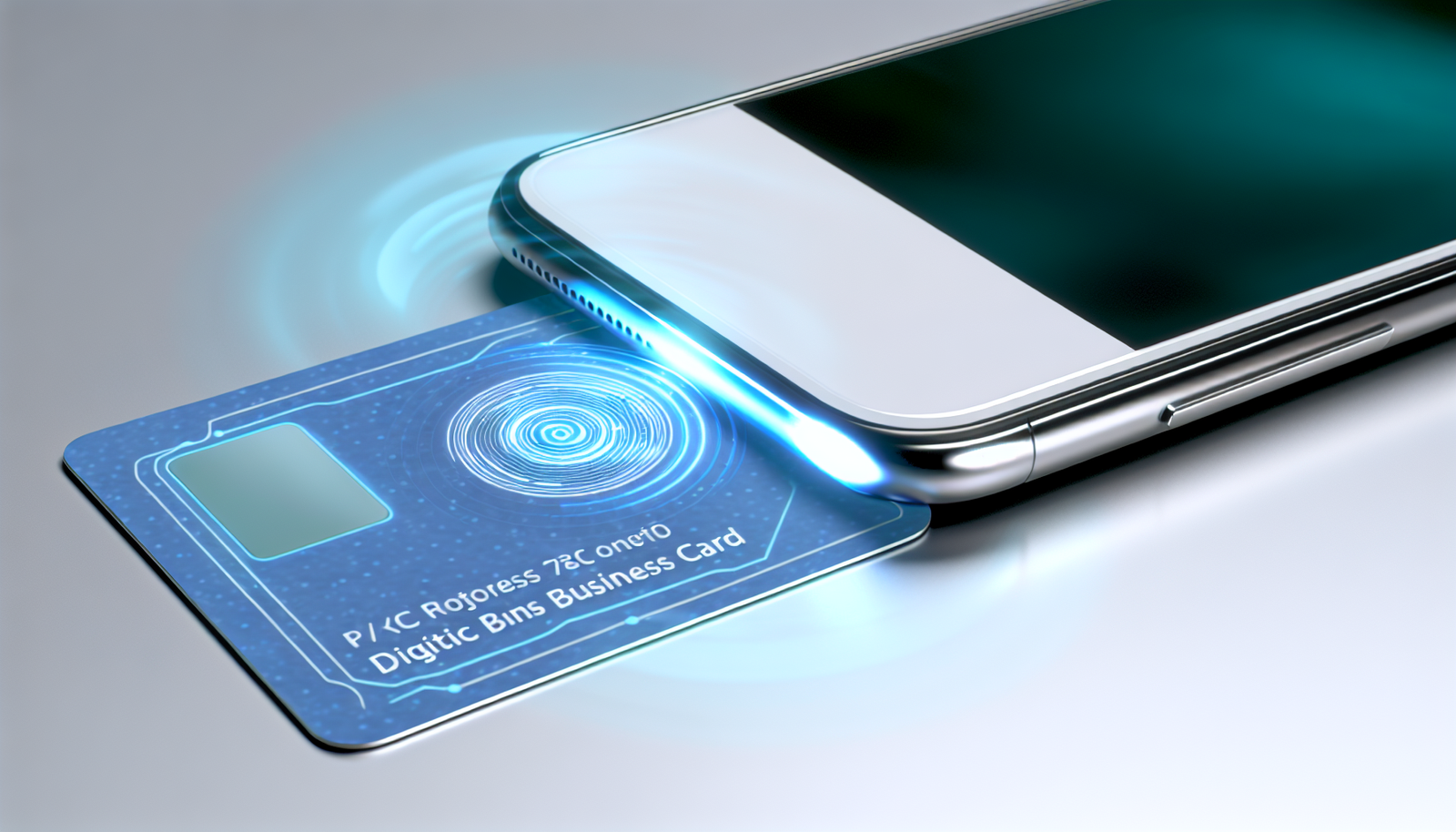
NFC technology adds another layer of sophistication to digital business card design. The invisible nature of NFC chips allows designers complete freedom with visual layouts while enabling instant contact sharing through simple taps. This combination of cutting-edge technology with creative design freedom makes NFC-enabled cards particularly attractive for professionals who want both style and substance. The tactile experience of tapping creates memorable moments that pure digital exchanges cannot replicate, reinforcing personal connections in increasingly virtual business environments.
Practical Tips for Implementing 2025 Design Trends
- Choose one or two trends maximum: Combining too many trendy elements creates visual chaos rather than sophistication. Select design directions that authentically reflect your brand personality and industry expectations, then execute them with confidence and consistency.
- Prioritize readability over creativity: No matter how stunning your design, if contacts cannot quickly find your name, title, and contact information, the card fails its primary purpose. Ensure critical information remains legible across all devices and lighting conditions, testing your design on multiple screen sizes before finalizing.
- Maintain brand consistency across touchpoints: Your digital business card should visually align with your website, social media profiles, email signatures, and other brand materials. Consistency builds recognition and trust, reinforcing your professional identity every time someone encounters your brand in any context.
- Test functionality alongside aesthetics: Beautiful designs mean nothing if QR codes don’t scan properly or NFC chips fail to trigger. Always test technical functionality thoroughly, ensuring seamless user experiences that reflect positively on your attention to detail and professionalism.
Future-Proofing Your Digital Business Card Design
As design trends continue evolving, the most successful digital business cards balance current aesthetics with timeless principles. While it’s tempting to chase every new trend, sustainable design strategies focus on clarity, authenticity, and functionality first. Your card should feel contemporary without appearing dated within months, requiring thoughtful selection of trendy elements that genuinely serve your brand story rather than following fashion blindly.
The convergence of physical and digital networking creates unique opportunities for professionals willing to embrace hybrid approaches. Physical NFC cards with stunning designs paired with dynamic digital profiles offer the best of both worlds—tangible memorability with instant digital utility. This dual presence ensures you’re prepared for any networking scenario, whether meeting clients at conferences, virtual events, or chance encounters where traditional cards remain valued.
Investment in quality design pays dividends through increased response rates, stronger brand recall, and elevated professional perception. According to multiple industry studies, professionals who present well-designed, modern business cards report higher conversion rates from initial contacts to meaningful business relationships. This correlation reflects fundamental human psychology: we judge credibility and competence partially through visual presentation, making design choices direct contributors to networking success.
The journey toward creating your perfect digital business card begins with understanding these trends, then filtering them through your unique brand lens. What works brilliantly for creative agencies may feel inappropriate for legal practices; what resonates with tech startups might alienate traditional industries. Authenticity trumps trendiness every time, so let these design directions inspire rather than dictate your creative choices. Reflect on what makes your professional identity unique, then translate those qualities into visual language that connects with your ideal clients and partners. Join the growing community of professionals who’ve discovered that smart, thoughtful design transforms simple contact sharing into powerful branding opportunities that open doors and build lasting relationships.